Choosing the right wear plate for your industry needs is crucial. David Thompson, a leading expert in wear plate technology, states, “Selecting appropriate materials can significantly extend machinery life.” Such insights emphasize the importance of understanding your specific requirements.
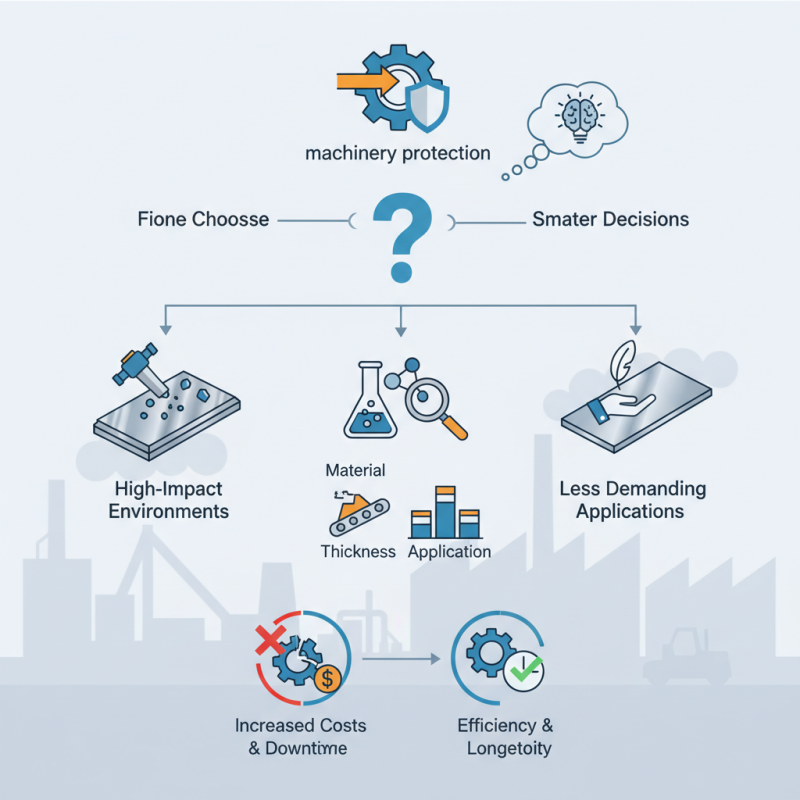
Wear plates protect equipment from wear and tear in various sectors. The right choice depends on factors like material, thickness, and application. For example, industries dealing with high-impact environments require robust options. Conversely, less demanding applications may benefit from lighter materials. This complexity can be daunting for newcomers.
Many professionals overlook the significance of proper wear plate selection. They often make quick decisions based on availability rather than performance. Such choices can lead to increased costs and downtime. Reflecting on these aspects can guide businesses toward smarter decisions. Understanding wear plate properties is essential for achieving efficiency and longevity in machinery.
Choosing the right wear plate for various industrial applications requires careful consideration of several factors. Material composition is crucial. Steel, for instance, offers excellent durability and wear resistance. In contrast, polyurethanes provide flexibility and impact absorption. A study by the National Institute of Standards published in 2021 highlights that certain wear plates can increase equipment lifespan by 30%.
Thickness and surface finish also play significant roles. Thicker plates generally resist wear better but may add weight to machinery. The finish can affect friction and wear rates, greatly influencing operational efficiency. A report from the Materials Research Society indicates that a smoother surface often reduces friction by 20%.
For optimal selection, consider the environment and specific applications. Temperature fluctuations, moisture, and chemical exposure can determine material choice. Customization options are valuable, but they can drive costs higher.
Tip: Always weigh the cost against the long-term benefits. Investing in higher-quality materials may yield better performance over time.
Tip: Regularly assess wear plate performance in real conditions to identify any shortcomings. Adjust choices based on wear patterns and operational data. This reflection can lead to substantial improvements in efficiency.
| Industry | Wear Plate Material | Key Characteristics | Applications |
|---|---|---|---|
| Mining | High Chrome White Iron | Excellent wear resistance, good impact strength | Excavators, crushers, hoppers |
| Construction | AR Steel (Abrasion-Resistant Steel) | High toughness, good uniformity | Bulldozer blades, truck beds, chutes |
| Agriculture | UHMWPE (Ultra High Molecular Weight Polyethylene) | High impact resistance, low friction | Plow bottoms, feed handling systems |
| Oil & Gas | Stainless Steel | Corrosion-resistant, durable | Pipelines, valves, fittings |
| Heavy Industry | Tool Steel | High hardness, wear and heat resistance | Press dies, molds, cutting tools |
: Consider material composition, thickness, and surface finish. Each factor affects durability and wear resistance.
Steel offers high durability. Polyurethanes provide flexibility and impact absorption, suitable for different applications.
Thicker plates resist wear better but may add extra weight to machinery. Balance weight and durability for needs.
A smoother surface can reduce friction by 20%. This improves operational efficiency, so choose carefully.
Consider temperature, moisture, and chemical exposure. These elements can significantly affect wear plate performance.
They can enhance performance but may increase expenses. Weigh costs against the long-term benefits for your operation.
They protect machinery from abrasive materials, extending lifespan and reducing maintenance downtime.
Wear plates help maintain efficiency when processing grains. This reduces damage during harvest periods.
Regularly reflect on performance in real conditions. Identify shortcomings and adjust material choices based on data.
Choosing the right wear plate is crucial for various industrial applications, as it directly influences performance and cost efficiency. When selecting a wear plate material, important factors to consider include the environment in which it will be used, the type of material best suited to withstand wear, and the specific demands of the application. Common applications span industries such as mining, construction, and manufacturing, where wear plates play a vital role in protecting equipment and enhancing durability.
Moreover, comparing different wear plate types—metal, ceramic, and composite—can help businesses identify the most effective solution. Each option offers unique benefits in terms of resistance, weight, and installation requirements. Additionally, considering the cost-effectiveness and maintenance needs is essential, as wear plates with a longer lifespan can ultimately reduce operational costs. By carefully assessing these factors, industries can ensure they select the optimal wear plate that meets their specific needs and enhances overall productivity.

 WEST INDUSTRY